
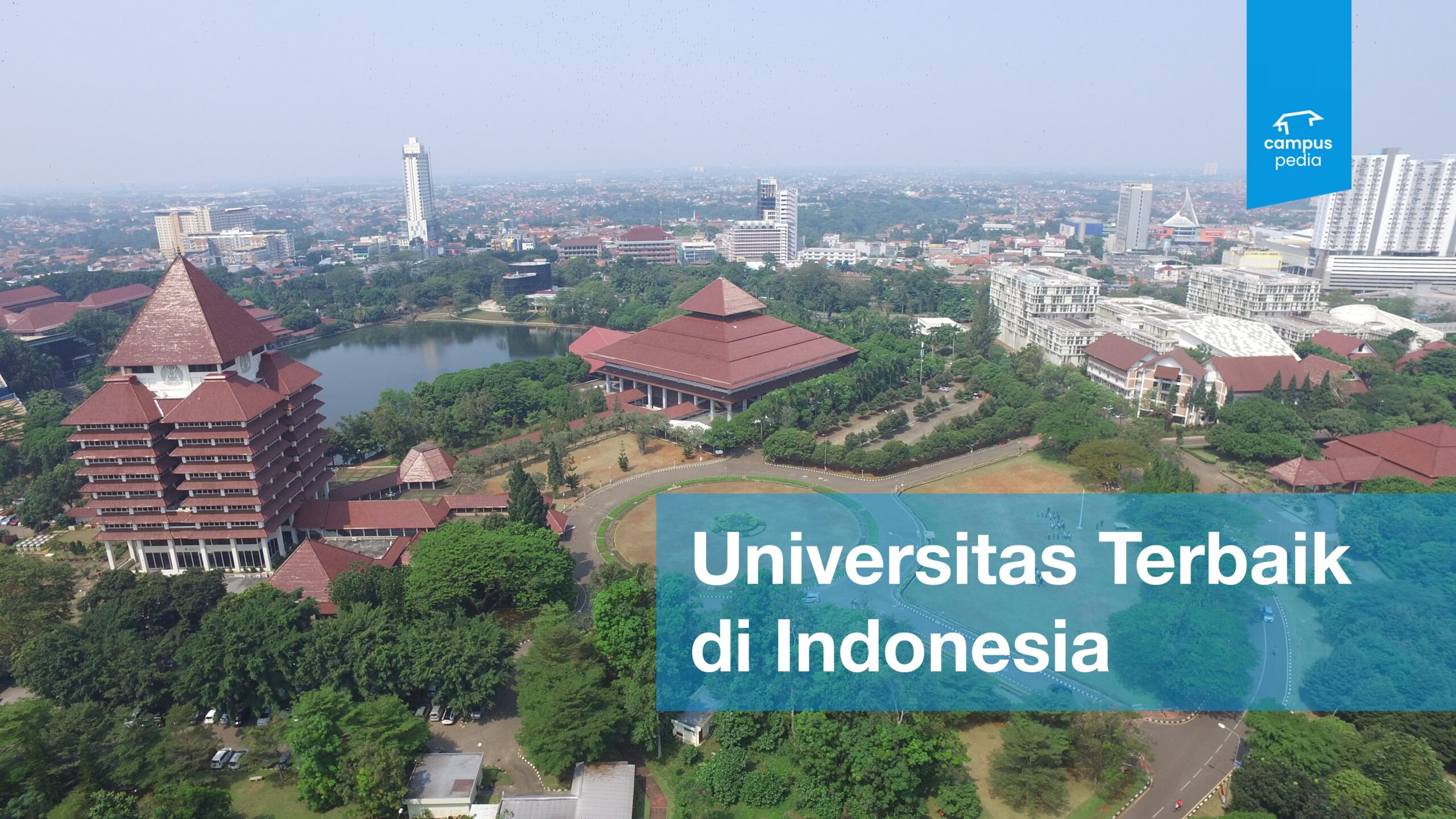
Top Factors Influencing the Ranking of Universitas Aceh
1. Academic Reputation
One of the foremost factors influencing the ranking of Universitas Aceh is its academic reputation. This is determined by the perception of the university in the academic community globally. Factors contributing to this reputation include the quality and quantity of research output, faculty qualifications, and notable alumni. Engaging with international partners and showcasing impactful research can significantly enhance this aspect.
2. Research Output
The volume and quality of research publications, particularly in high-impact journals, play a critical role in ranking indices. Universitas Aceh’s commitment to fostering a robust research culture among its faculty and students directly affects its citation rates. Collaborative research projects, funding opportunities, and access to resources can enhance the university’s research visibility and impact.
3. Faculty Qualifications
The educational backgrounds, research experience, and professional achievements of the faculty contribute significantly to the university’s academic standing. Renowned professors and researchers with doctorates from prestigious institutions elevate the quality of education and research. Faculty engagement in professional development programs and continuous learning ensures a dynamic and knowledgeable teaching environment.
4. Student-to-Faculty Ratio
A favorable student-to-faculty ratio is essential for personalized education and mentorship, leading to higher student satisfaction. Smaller class sizes allow for more interaction between students and faculty, fostering a conducive environment for learning and academic success. Rankings often reflect the level of attention students receive from faculty members.
5. Internationalization
The degree of internationalization significantly impacts university rankings. Universitas Aceh can improve its standing by promoting student and faculty exchanges, establishing partnerships with foreign universities, and encouraging international collaborations in research. Programs that attract international students can also enhance cultural diversity and learning opportunities within the institution.
6. Employability of Graduates
Employability metrics, including job placement rates and employer satisfaction, are pivotal in determining a university’s ranking. By focusing on career-oriented programs, internships, and partnerships with industries, Universitas Aceh can ensure that its graduates possess the skills required in the job market. Alumni success stories and partnerships with major corporations can positively influence perceptions among prospective students.
7. Community Engagement
Active participation in community service and social responsibility initiatives can improve the university’s reputation. When a university demonstrates a commitment to societal issues, it garners respect both locally and globally. Programs that benefit the local community not only enhance public perception but also provide students with real-world experiences.
8. Infrastructure and Facilities
Modern facilities and infrastructure play a crucial role in the overall learning environment. Classrooms equipped with the latest technology, comprehensive libraries, research labs, and recreational areas contribute to a holistic educational experience. High-quality infrastructure supports innovative teaching and research, significantly impacting rankings.
9. Student Satisfaction and Support Services
Student satisfaction surveys often influence university rankings. Effective support services—counseling, academic advising, career guidance, and extracurricular activities—play a key role in ensuring a positive university experience. Cultivating an inclusive and supportive campus culture encourages retention and success, thereby enhancing the institution’s reputation.
10. Financial Resources and Funding
Adequate funding for academic programs and research initiatives fosters growth and innovation. Access to grants and scholarships allows Universitas Aceh to invest in high-quality faculty, facilities, and resources. Financial strength also enables the university to expand its programs, hire talented faculty, and support student initiatives.
11. Government and Institutional Support
Support from the government and higher education agencies can significantly affect the university’s ranking. Policies promoting quality education, research, and infrastructure development provide a conducive environment for growth. Stakeholders must leverage these relationships to enhance institutional effectiveness.
12. Alumni Network
A strong alumni network can amplify a university’s reputation. Engaged alumni who contribute to their alma mater can enhance mentorship opportunities, job placements, and fundraising efforts. Establishing a vibrant alumni association helps maintain connections and encourages collaboration between current students and graduates.
13. Course Offerings and Curriculum Quality
The diversity and relevance of academic programs reflect a university’s ability to adapt to market demands. Universitas Aceh must continually update its curriculum and introduce innovative programs that align with global trends to attract prospective students. Regular assessments ensure that courses remain competitive and relevant to industry needs.
14. Assessment Metrics
Different ranking organizations utilize various metrics to assess institutions. Understanding these metrics and focusing on areas of improvement can help Universitas Aceh achieve a higher ranking. Engaging with ranking bodies to understand their methodologies can provide insight into where the university might enhance its offerings.
15. Global and National Collaborations
Establishing ties with other institutions worldwide allows for resource sharing, joint research initiatives, and cross-training opportunities. National collaborations with institutions can also bolster reputation and research capacities, fostering a robust academic network that can enhance rankings over time.
By focusing on these key factors, Universitas Aceh can strategically position itself within global university rankings, reflecting its commitment to academic excellence and societal contributions.